Serengeti National Park is Africa’s most famous wildlife sanctuary, renowned for its vast open plains and extraordinary biodiversity. Covering over 14,700 square kilometers, it hosts some of the largest concentrations of game on the continent, including lions, leopards, cheetahs, elephants, and large herds of wildebeest and zebras. The park’s diverse habitats—from grasslands and savannahs to riverine forests and kopjes (granite outcroppings)—make it a spectacular destination for safari enthusiasts, photographers, and nature lovers alike.
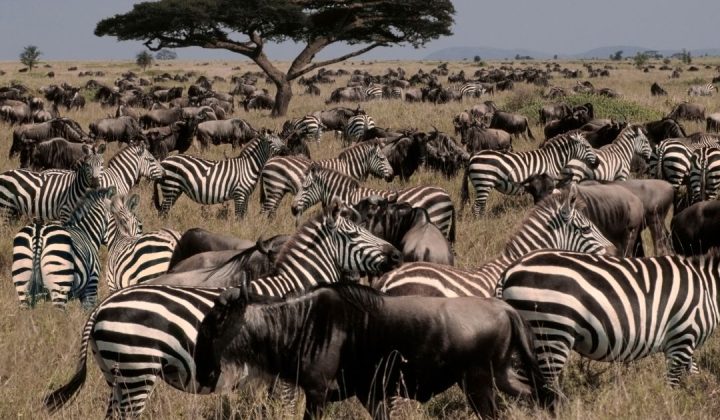
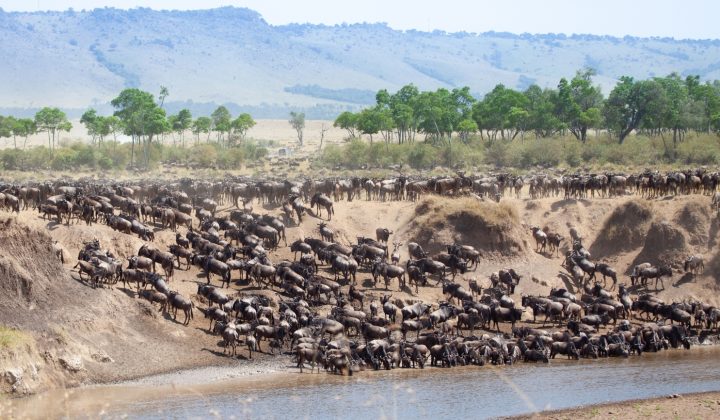
The Serengeti is also world-famous for the Great Migration, where over a million wildebeest, along with hundreds of thousands of zebras and gazelles, move across the plains in search of fresh grazing. This annual movement creates dramatic river crossings and unforgettable wildlife encounters. With iconic rivers like the Grumeti and Mara, and landmarks such as the Simba Kopjes, the Serengeti offers both thrilling predator-prey action and breathtaking landscapes, making it a bucket-list safari destination.
Wildlife in Serengeti National Park
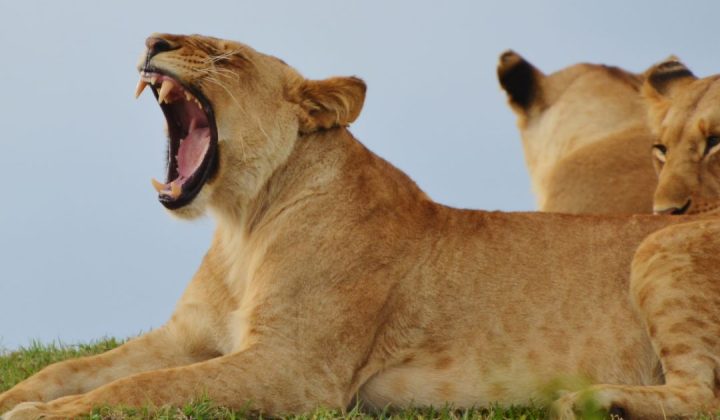
The Serengeti is home to some of Africa’s most iconic species. Predators such as lions, leopards, cheetahs, and African wild dogs are commonly spotted, while herbivores like wildebeest, zebras, elephants, buffaloes, gazelles, and antelopes roam the plains in massive numbers. The park’s rivers and wetlands host hippos and crocodiles, completing a rich and balanced ecosystem.
The Great Migration is a natural spectacle, with dramatic river crossings and predator-prey interactions that attract visitors from around the world. Birdlife is also abundant, with over 500 species recorded, including ostriches, storks, kingfishers, and flamingos, particularly near the Grumeti and Mara Rivers. Granite outcrops like the Simba Kopjes provide resting spots for lions and offer incredible photography opportunities.
Excursions and Activities
Game Drives: Explore vast plains in 4×4 vehicles to spot lions, leopards, elephants, and more.
Migration Safari Tours: Witness the wildebeest and zebra migration, including river crossings.
Hot Air Balloon Safaris: Enjoy panoramic aerial views of the plains at sunrise.
Walking Safaris: Guided treks for a closer, more intimate experience of flora and fauna.
Birdwatching: Over 500 species, including flamingos, ostriches, and hornbills.
Photography Tours: Capture iconic landscapes, wildlife, and the dramatic migration scenes.
Cultural Visits: Meet local Maasai communities near the park for cultural insights.
Travel time to Serengeti National Park
From Arusha by road: 6–8 hours (4×4 safari vehicle, depending on route)
From Arusha by air: 1–1.5 hours (domestic or charter flights to central/northern Serengeti airstrips)
From Kilimanjaro Airport by road: 6–8 hours (4×4 safari vehicle)
From Mwanza by road: 4–6 hours (depending on route)
From other Tanzanian cities by air: 1–2 hours (domestic flights to Serengeti airstrips)
Besr Time to Visit Serengeti National Park
The best time to visit Arusha National Park is during the dry seasons, which run from June to October and January to February. During these months, the weather is generally sunny with minimal rain, making wildlife spotting easier as animals gather around rivers, lakes, and waterholes. The vegetation is less dense, offering clearer views of elephants, giraffes, buffaloes, zebras, and predators.
Visiting during the long rains (March to May) or short rains (November to December) is less crowded and showcases the park’s lush green landscapes and vibrant birdlife, including migratory species. While some roads may be muddy during heavy rains, the park’s walking safaris and canoeing activities remain a rewarding experience for those seeking a quieter and more scenic visit.
Most Common Animals
Lions
Leopards
Cheetahs
Wildebeest (over 1 million)
Zebras (over 200,000)
Gazelles (over 300,000)
Elephants
Hippos
Crocodiles
Facts about Serengeti National Park
The Great Migration – Witness millions of wildebeest and zebras traveling across the plains in one of the world’s most spectacular wildlife events.
Big Five Wildlife – Spot lions, elephants, leopards, buffalo, and rhinos in their natural habitat.
Diverse Landscapes – Explore endless savannahs, rocky kopjes, and acacia-dotted plains that create iconic African scenery.
Birdwatching Paradise – Observe hundreds of bird species, including vultures, eagles, and exotic migratory birds.
Sunrise & Sunset Views – Capture stunning photographic opportunities with breathtaking light over vast open plains.
Customize Your Tour Experience in Serengeti National Park
6-Day Adventures Across Tanzania
6-Day High End Highlights of Kenya and Tanzania Tour

 Dutch
Dutch Spanish
 French
 Russian
 Chinese (Simplified)





 Nederlands
 Español
 Русский
 Français
 中文
中文