Tarangire National Park is a spectacular safari destination in northern Tanzania, renowned for its enormous elephant herds and iconic baobab trees. Covering approximately 2,850 square kilometers, the park offers a mix of savannah plains, riverine forests, and seasonal swamps that attract diverse wildlife. Its landscapes are both scenic and unique, with the Tarangire River acting as a lifeline during the dry season, drawing animals from across the region and creating exceptional wildlife viewing opportunities.
Tarangire is less crowded than other northern parks, making it perfect for travelers seeking a peaceful safari experience. The park’s distinctive combination of elephants, predators, and birdlife, set against the backdrop of ancient baobabs and open plains, provides unforgettable photographic and wildlife experiences. Its accessibility from Arusha and proximity to Lake Manyara and Ngorongoro make it an ideal first or last stop on a northern Tanzania safari circuit.
Wildlife in Tarangire National Park
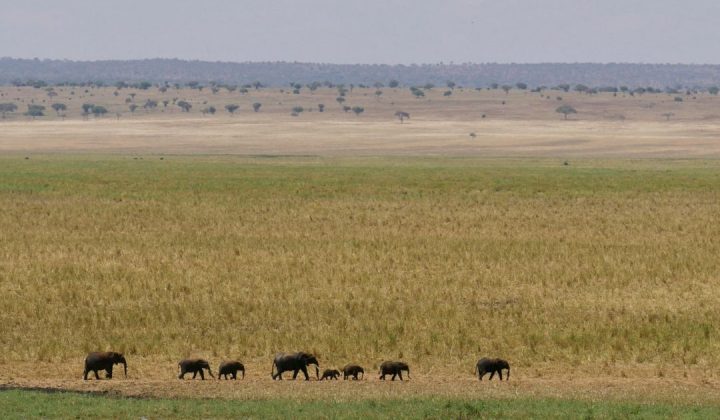
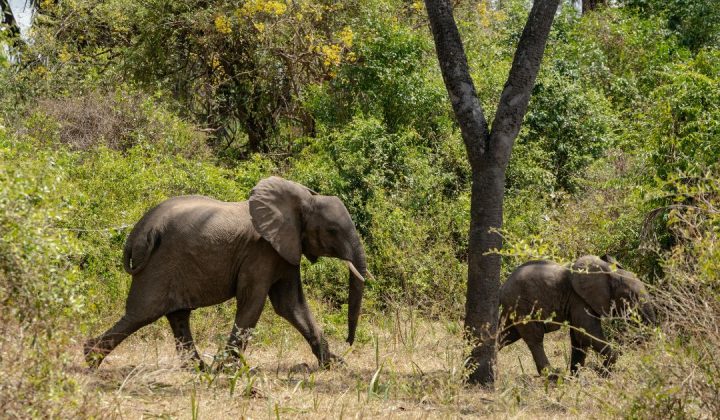
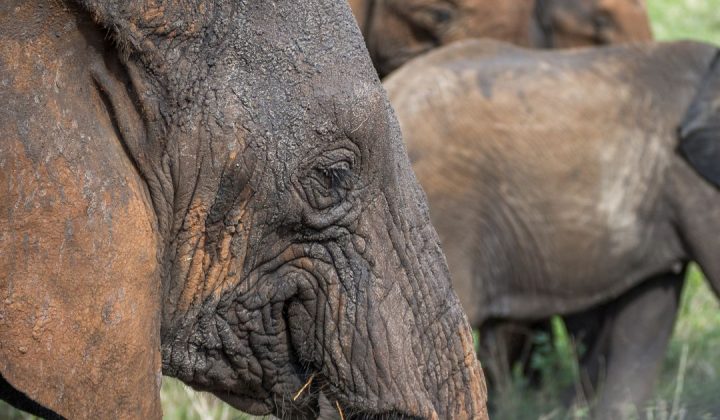
Tarangire National Park is famous for its massive elephant populations, often seen in herds of hundreds, especially near the Tarangire River. Other herbivores include giraffes, zebras, impalas, wildebeest, buffaloes, and waterbucks, creating rich feeding grounds for predators. Lions, leopards, and cheetahs are present, though more elusive, while hippos and crocodiles inhabit the river and seasonal wetlands.
Birdwatchers will delight in the park’s diversity, with over 500 species including kori bustards, hornbills, vultures, storks, and colorful bee-eaters. The park’s mixture of riverine forest, acacia woodlands, and open savannahs supports a thriving ecosystem, making wildlife spotting year-round rewarding.
Excursions and Activities
Game Drives: Explore the park’s savannahs and riverine forests in 4×4 vehicles to see elephants, predators, and other wildlife.
Birdwatching Tours: Spot over 500 species, including flamingos in seasonal swamps.
Walking Safaris: Guided treks offer intimate encounters with wildlife and insight into flora and smaller species.
Photography Safaris: Capture baobabs, elephants, and scenic landscapes, especially at sunrise and sunset.
Cultural Visits: Engage with Maasai communities near the park for traditional experiences.
Night Drives (where permitted): Observe nocturnal wildlife in a safe guided setting.
Travel time to Tarangire National Park
From Arusha by road: 6–8 hours (4×4 safari vehicle, depending on route)
From Arusha by air: 1–1.5 hours (domestic or charter flights to central/northern Serengeti airstrips)
From Kilimanjaro Airport by road: 6–8 hours (4×4 safari vehicle)
From Mwanza by road: 4–6 hours (depending on route)
From other Tanzanian cities by air: 1–2 hours (domestic flights to Serengeti airstrips)
Best Time to Visit Tarangire National Park
The best time to visit Tarangire National Park is during the dry season from June to October, when wildlife concentrates near the Tarangire River and surrounding waterholes. This is prime time for spotting large herds of elephants, buffaloes, zebras, and predators.
Visiting during the short dry season (January–February) is also excellent, as animals remain active and the scenery is still green. The rainy months (March–May and November–December) bring lush vegetation, spectacular birdlife, and fewer tourists, though some dirt roads may become muddy, requiring a 4×4 vehicle for easier access.
Most Common Animals
Lions
Leopards
Cheetahs
Wildebeest (over 1 million)
Zebras (over 200,000)
Gazelles (over 300,000)
Elephants
Hippos
Crocodiles
Facts about Tarangire National Park
Elephant Herds – Observe large family groups moving through the park, especially along the Tarangire River during the dry season.
Baobab Landscapes – Discover ancient baobab trees that dominate the park’s open plains and rocky ridges.
Tarangire River – Follow the park’s main water source, where wildlife gathers year-round for drinking and grazing.
Quiet Safari Setting – Enjoy a more relaxed game-viewing experience with fewer vehicles than other northern parks.
Customize Your Tour Experience in Tarangire National Park
6-Day Adventures Across Tanzania
6-Day High End Highlights of Kenya and Tanzania Tour

 Dutch
Dutch Spanish
 French
 Russian
 Chinese (Simplified)





 Nederlands
 Español
 Русский
 Français
 中文
中文