Ngorongoro Crater is one of Africa’s most remarkable natural wonders, often described as a “natural Eden” due to its stunning landscapes and dense wildlife populations. It is the world’s largest intact volcanic caldera, spanning approximately 260 square kilometers, with steep walls that descend into a lush, fertile floor. The crater is part of the larger Ngorongoro Conservation Area and offers visitors a unique safari experience, where a wide variety of animals can be observed in a relatively small and easily accessible area.
The Crater floor hosts an extraordinary concentration of wildlife, including lions, elephants, buffaloes, zebras, and a rare population of black rhinos. Its grasslands, swamps, and soda lakes create diverse habitats, supporting both permanent residents and migratory species. Scenic views from the rim, combined with the possibility of spotting wildlife just meters away on the crater floor, make Ngorongoro a must-visit destination for photographers, nature enthusiasts, and first-time safari-goers alike.
Wildlife in Ngorongoro Crater
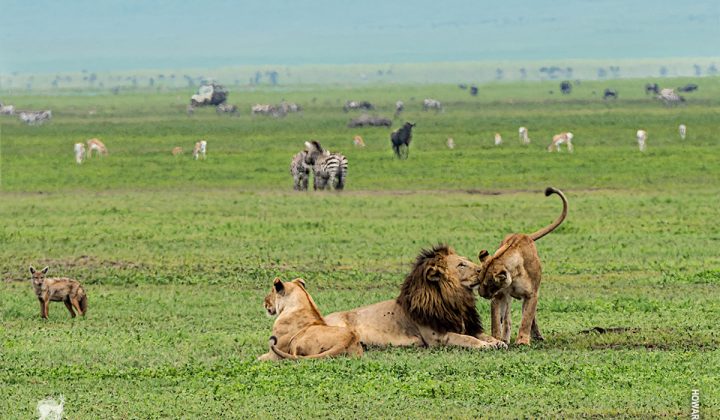
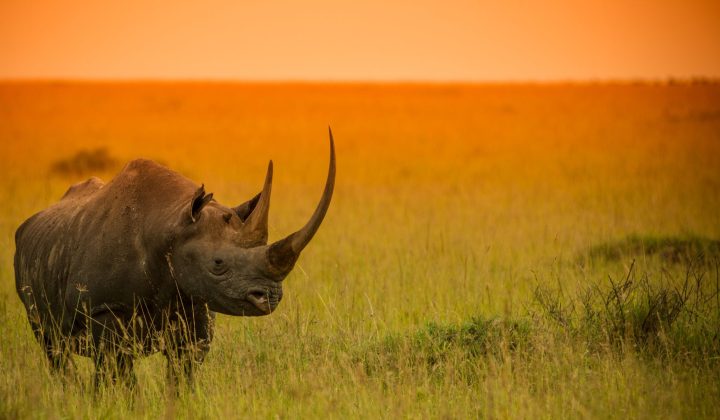
Ngorongoro Crater is home to one of the densest concentrations of wildlife in Africa. Large herds of buffaloes, zebras, wildebeest, and elephants roam the crater floor, while predators like lions, leopards, and hyenas patrol the grasslands. The crater is one of the last remaining habitats for the endangered black rhinoceros, offering a rare opportunity to see them in the wild. Hippos inhabit the crater’s lakes, while crocodiles thrive in the rivers and waterholes.
Birdlife in the crater is impressive, with hundreds of species inhabiting the grasslands, swamps, and crater lakes. The combination of volcanic soils, lush vegetation, and permanent water sources supports a diverse ecosystem, providing visitors with reliable wildlife sightings. With its compact size, Ngorongoro allows for close encounters with animals, making it perfect for photography, guided tours, and educational safaris.
Excursions and Activities
Crater Floor Game Drives: Explore the rich wildlife within the world’s largest intact caldera.
Guided Walking Safaris: Walk along safe trails near the rim or on designated crater edges.
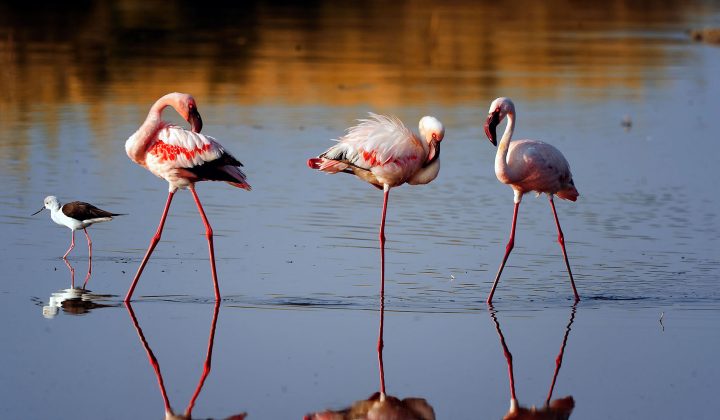
Birdwatching: Spot flamingos, storks, eagles, and other endemic species in the crater’s wetlands.
Photography Safaris: Capture dramatic landscapes, wildlife, and panoramic views from the rim.
Cultural Visits: Interact with Maasai communities living on the crater’s rim and learn about their traditions.
Picnic Stops: Enjoy meals with spectacular views overlooking the crater floor.
Travel time to Ngorongoro Crater
From Arusha by road: 6–8 hours (4×4 safari vehicle, depending on route)
From Arusha by air: 1–1.5 hours (domestic or charter flights to central/northern Serengeti airstrips)
From Kilimanjaro Airport by road: 6–8 hours (4×4 safari vehicle)
From Mwanza by road: 4–6 hours (depending on route)
From other Tanzanian cities by air: 1–2 hours (domestic flights to Serengeti airstrips)
Best Time to Visit Ngorongoro Crater
The best time to visit Ngorongoro Crater is during the dry seasons from June to October, when wildlife congregates near water sources and the crater floor is easier to navigate. This period offers excellent visibility and optimal conditions for photography and game drives.
The short dry season (January–February) is also ideal, with clear skies, active wildlife, and fewer tourists. The rainy months (March–May and November–December) transform the crater into lush, green landscapes and bring abundant birdlife, although some roads may become slippery, requiring careful driving in a 4×4 vehicle. Wildlife is still visible year-round, making Ngorongoro accessible at any time.
Most Common Animals
Lions
Leopards
Elephants
Buffaloes
Zebras
Wildebeest
Black rhinoceros
Hippos
Crocodiles
Hyenas
Facts about Ngorongoro Crater
Crater Floor Wildlife – Experience dense populations of animals living permanently within the caldera.
Big Cat Sightings – See lions and other predators hunting across open grasslands.
Scenic Crater Views – Take in sweeping views from the rim overlooking the crater floor.
Lake Magadi – Observe flamingos and other water birds feeding in the shallow soda lake.
Compact Safari Area – Enjoy high wildlife visibility within a relatively small driving distance.
Customize Your Tour Experience in Ngorongoro Crater
6-Day Adventures Across Tanzania
6-Day High End Highlights of Kenya and Tanzania Tour

 Dutch
Dutch Spanish
 French
 Russian
 Chinese (Simplified)







 Nederlands
 Español
 Русский
 Français
 中文
中文