Northern Circuit

Arusha National Park 2026 - 2027

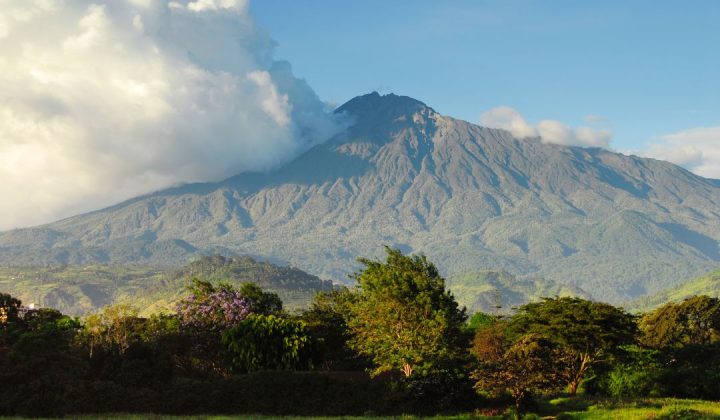
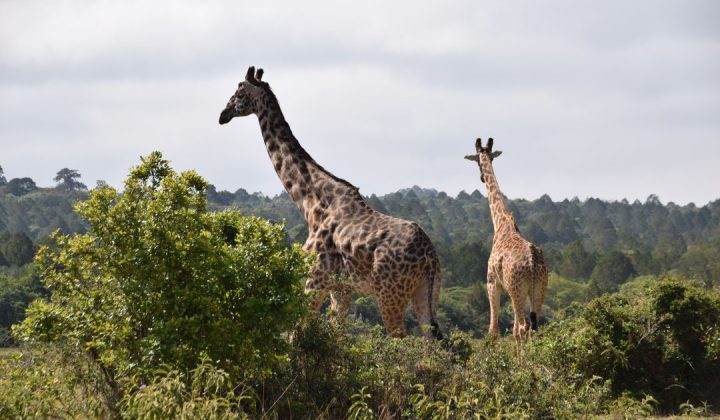
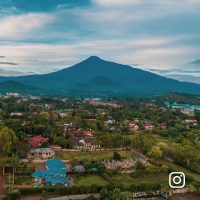
Arusha National Park is one of Tanzania’s most accessible and diverse protected areas, located just a short drive from the city of Arusha. Despite being smaller than many of the country’s famous parks, it offers an extraordinary variety of landscapes within a compact area, including the lush montane forests of Mount Meru, the scenic Momella Lakes, open savannah, and the striking Ngurdoto Crater. This diversity supports a wide range of wildlife, from giraffes, buffaloes, zebras, and warthogs to black-and-white colobus monkeys that leap through the forest canopy, making it an ideal introduction to Tanzania’s natural beauty.

The park is especially renowned for activities that are rare elsewhere on the northern safari circuit, such as guided walking safaris and canoeing on the Momella Lakes, allowing visitors to experience wildlife from a unique and intimate perspective. With the towering silhouette of Mount Meru dominating the horizon and frequent views of Mount Kilimanjaro on clear days, the park provides spectacular scenery alongside its rich biodiversity. Its proximity to Arusha makes it perfect for day trips, short safaris, or as a gentle start or finish to a longer Tanzanian adventure.

Wildlife in Arusha National Park

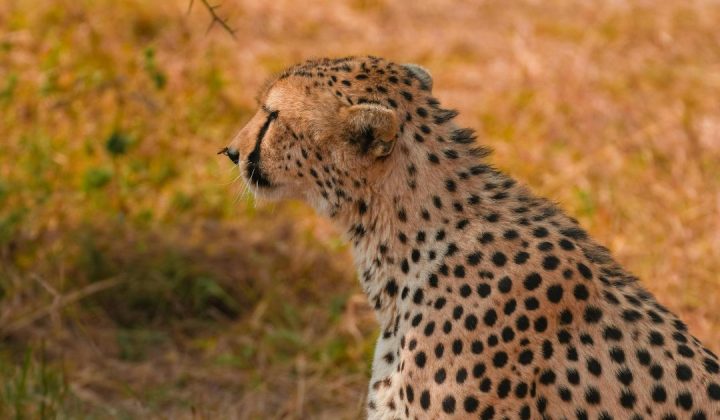
Arusha National Park is home to a remarkable variety of wildlife despite its relatively small size. The park’s open savannahs and crater floors are populated by elephants, giraffes, buffaloes, zebras, and various antelope species like waterbucks and bushbucks. Predators such as lions and leopards are also present, often spotted near the Ngurdoto Crater and along riverine areas. Monkeys, including black-and-white colobus and vervet monkeys, thrive in the forested slopes of Mount Meru, while hippos and crocodiles inhabit the rivers and lakes, making the park a compact but diverse wildlife haven. Birdlife in Arusha National Park is equally impressive, with flamingos and other waterfowl frequenting the alkaline Momella Lakes. The combination of wetlands, forests, and open plains attracts over 400 bird species, making it a prime destination for birdwatchers. Activities like guided walking safaris and canoeing allow visitors to experience animals in close proximity, offering a more intimate perspective than typical vehicle-based safaris. With its diverse habitats and accessible wildlife, Arusha National Park provides both unforgettable views and exceptional opportunities for observation and photography.

Excursions and Activities

  • Game Drives – Explore the park in 4×4 vehicles to spot elephants, giraffes, zebras, buffaloes, and predators like lions.
  • Guided Walking Safaris – Experience wildlife and nature up close on foot, led by expert guides.
  • Canoeing on Momella Lakes – Paddle among hippos, flamingos, and other waterbirds in a serene setting.
  • Birdwatching – Over 400 species, including flamingos, hornbills, and kingfishers, can be observed throughout the park.
  • Ngurdoto Crater Visits – Walk along the crater rim or down to the floor to see hippos, buffaloes, and diverse antelope.
  • Mount Meru Forest Hikes – Trek through lush montane forests to spot monkeys, colobus, and colorful birdlife.
  • Photography Tours – Capture panoramic landscapes, wildlife, and lakes with guided photography excursions.
  • Cultural Visits – Meet local Maasai communities on the park’s outskirts to learn about their traditions and way of life.

Travel time to Arusha National Park

  • From Arusha town by road: 30–60 minutes (depending on traffic and park entrance used)
  • From Kilimanjaro International Airport: 1–1.5 hours by car or safari vehicle
  • From Moshi town: 1–1.5 hours by road
  • From Lake Manyara National Park: 2–3 hours by road
  • From Tarangire National Park: 2–3 hours by road

Besr Time to Visit Arusha National Park

The best time to visit Arusha National Park is during the dry seasons, which run from June to October and January to February. During these months, the weather is generally sunny with minimal rain, making wildlife spotting easier as animals gather around rivers, lakes, and waterholes. The vegetation is less dense, offering clearer views of elephants, giraffes, buffaloes, zebras, and predators.

Visiting during the long rains (March to May) or short rains (November to December) is less crowded and showcases the park’s lush green landscapes and vibrant birdlife, including migratory species. While some roads may be muddy during heavy rains, the park’s walking safaris and canoeing activities remain a rewarding experience for those seeking a quieter and more scenic visit.

Information and Facts

Arusha National Park is one of Tanzania’s most scenic parks, offering a mix of lush forests, open savannahs, volcanic craters, and freshwater lakes. It is known for its diverse wildlife in a compact area, making it ideal for day trips and walking safaris.

Most Common Animals

  • Elephants
  • Buffaloes
  • Giraffes
  • Zebras
  • Warthogs
  • Monkeys (Black-and-white colobus, vervet monkeys)
  • Bushbucks
  • Waterbucks
  • Hippos
  • Crocodiles

Facts about Arusha National Park

Customize Your Tour Experience in Arusha National Park

Free 30-minute call with our travel expert

Book a free 30-minute call to get personalized advice about safaris, Kilimanjaro routes, and the best times to visit.

Mark Mashele

Travel Expert.

We are the right match for you if...

Frequently Asked Questions (FAQs)

What makes Arusha National Park unique?

Arusha National Park stands out for its landscape diversity within a small area. Visitors can experience forests, lakes, and open plains in a single visit, along with activities like walking safaris and canoeing that are not widely available elsewhere.

Yes, the park is ideal for half-day or one-day visits due to its close proximity to Arusha town. It works well for travelers with limited time or those looking to add a relaxed nature experience at the start or end of a longer itinerary.

The park is home to giraffes, buffalo, warthogs, and various antelope species, as well as colobus monkeys in the forest areas. While it does not host large predators, wildlife viewing remains rewarding and varied.

Stay in Touch On Instagram